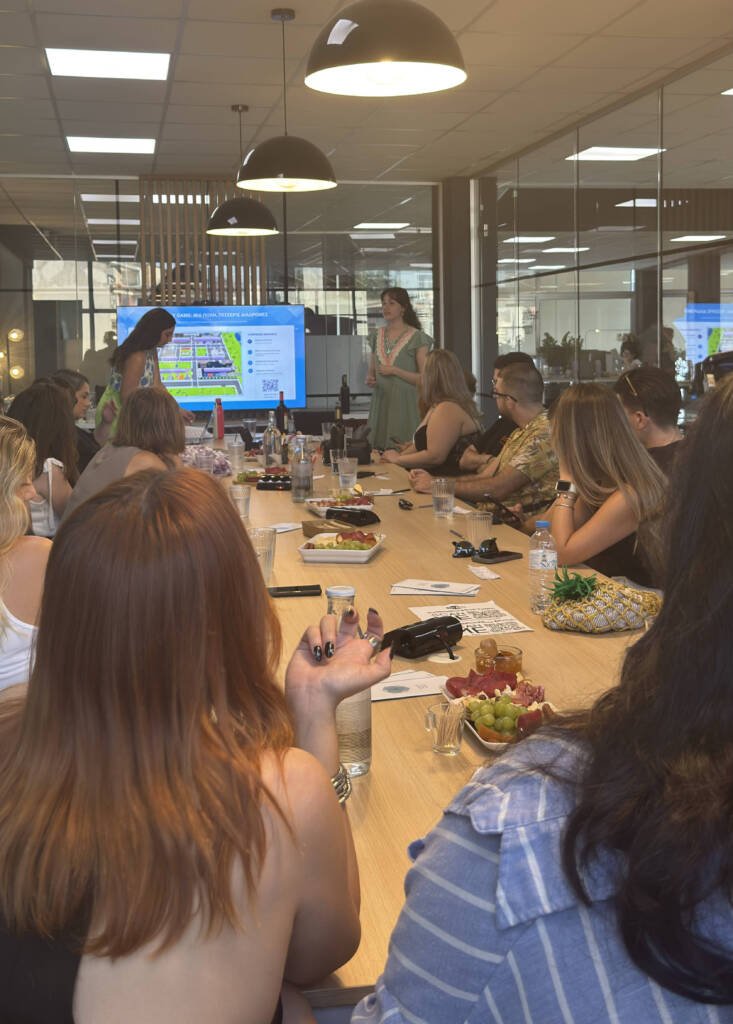
Throughout August and September, project partners hosted six local events across four countries to share key lessons learned and showcase the new tools developed during the project. In total, the events brought together more than 120 young people and youth workers.
Together we tested new educational tools, discussed topics related to digital citizenship, and connected with other young people across borders.
Creating space to explore the digital world
The events were designed to give young people the space, confidence, and tools they need to navigate today’s digital world. The main aims were to:
- Present the Training Kit and test our DigiCity educational game;
- Spark discussions on digital identity, social media algorithms, data privacy, and online activism;
- Connect youth across borders through online intercultural dialogue and collaboration.
Learning, discussing and connecting across borders
Young people and youth workers joined hands-on workshops and interactive activities:
- Creating stories with emojis and discussing forms of online participation through activities such as “Emojionary” and “Digital Participation Taboo”. Both activities are part of our Training Kit, so if you haven’t had a chance yet, make sure to have a look: https://digicitiedu.org/downloads/
- Exploring virtual neighbourhoods in the new DigiCity game: https://digicitygame.eu/
They stepped into virtual neighbourhoods focused on different topics, such as managing social media pressure, understanding algorithms, protecting personal data, and using digital tools for positive social change. - Exchanging ideas across Europe through posting their key takeaways on a shared digital board. They asked questions, responded to posts from other countries, and compared how young people experience digital life across Europe.
By combining local workshops with opportunities for European collaboration, the project gave young people and youth workers practical tools to become more active and responsible digital citizens, while creating space to learn from one another and see digital experiences from different perspectives.
You can read the Greek version of this article here.